
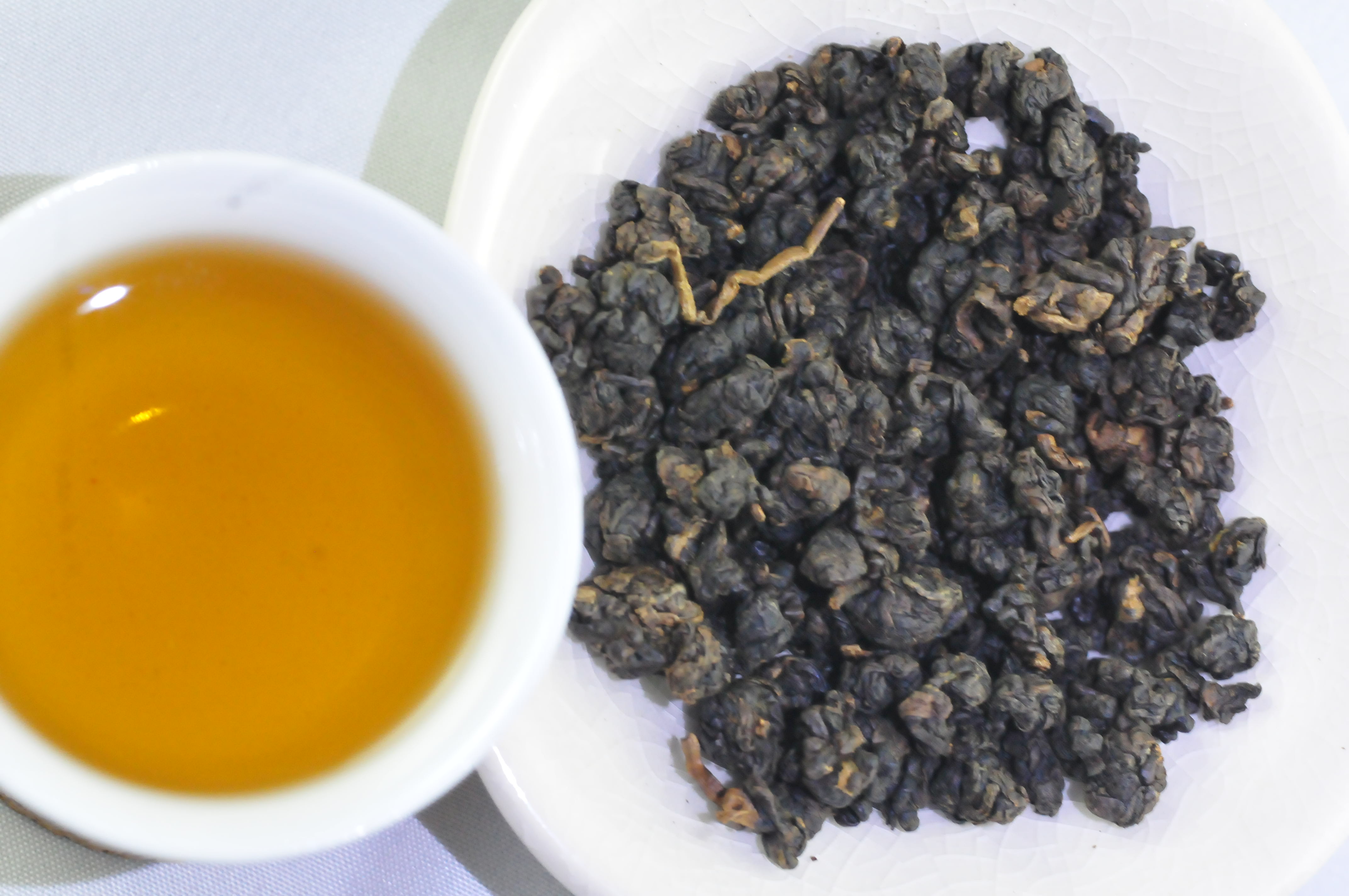
 The pinyin for 烏龍 in English can be either Wu Long or Oolong. But in Chinese there is one spelling that is 烏龍 and if you used the standard hàn yǔ pīn yīn, you will get wū lóng.
 If you really want to know why there is a Pin Yin difference in English, then probably you should try to study the history of how the earliest Thomas Francis Wade, a British diplomat and sinologist, who produced the first Chinese textbook in English in 1867, which has further been amended, extended and converted into the Wade-Giles romanization system for Mandarin Chinese by Herbert Giles in 1892. The Wade–Giles Pin Yin is still used in Taiwan The Hanyu pinyin system that commonly used today was approved in Mainland China in 1958.
For foreigners who want to learn Chinese might come across with the English spelling either from the earlier Wad-Giles pinyin or from the modern Hanyu pinyin. There is no need to argue which pinyin in English is more correct, the critical point is can you make the spelling correctly in Chinese that Chinese people can understand.
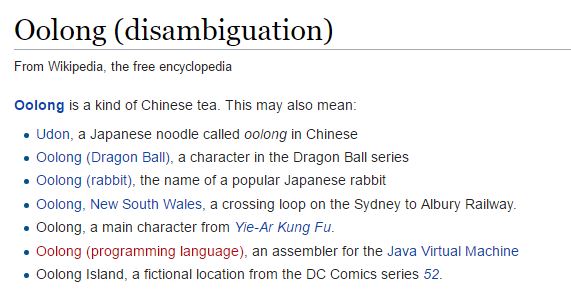
It does not matter which pinyin you use in English, either Oolong or Wu Long, these all meant for one thing, 烏龍 (wū lóng) in Chinese. No matter what “Dark Dragon” is a wrong translation ^_^.
When you learn tea, you will and have to learn Chinese; intonation isn’t that difficult if you could sing.
There are some confusing English pinyin for same type of tea in Chinese. With tea we learn the essence of purity and authenticity, so I personally like to keep the Chinese spelling. For example, Feng Huang Dan Cong 鳳凰單叢 remains as Feng Huang Dan Cong unless the mountain region is named by the China government as “Pheonix Mountain”.
For the same thing, Lung Jing 龍井 should remain as Lung Jing; if you use the English pinyin as Dragon Well, then how are you going to translate the best water for Lung Jing in Hangzhou, hǔ pào quán ? to “Tiger takes a bath in fountain”? It would be very weird to translate the sentence of brewing Lung Jing with the water from hǔ pào quán to “Brewing Dragon Well with the water from Tiger takes a bath in fountain“, right?
Don’t worry and be happy. Have a cup of tea.
Leave a Reply
You must be logged in to post a comment.